Furniture: A Practical Guide to Comfort, Style, and Function
Furniture plays a central role in shaping how spaces look, feel, and function. Beyond aesthetics, well-chosen furniture supports daily activities, enhances comfort, and reflects personal taste. From homes to offices, the right pieces can transform ordinary rooms into purposeful environments.
Understanding Furniture and Its Purpose
Furniture refers to movable objects designed to support human activities such as sitting, sleeping, eating, and storage. Each piece serves a functional role while contributing to the overall design language of a space.
Key purposes of furniture include:
-
Comfort and usability for everyday tasks
-
Organization and storage to reduce clutter
-
Visual balance and interior harmony
-
Adaptability to different room sizes and needs
Types of Furniture for Different Spaces
Different environments demand different furniture solutions. Choosing the right type ensures efficiency and long-term satisfaction.
Residential Furniture
Designed for homes, residential furniture focuses on comfort and personal style.
-
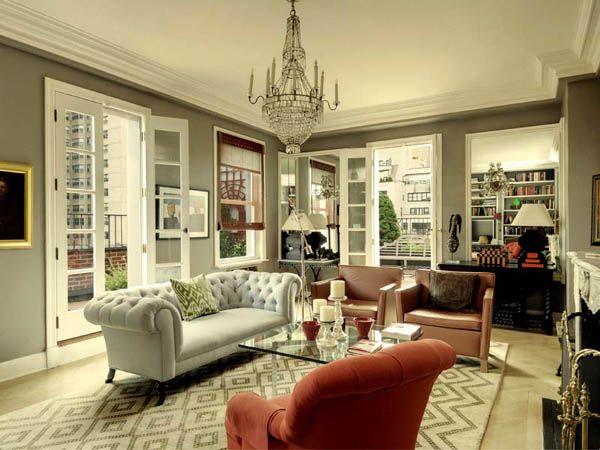
Living room: sofas, coffee tables, TV units
-
Bedroom: beds, wardrobes, nightstands
-
Dining area: dining tables, chairs, sideboards
Office Furniture
Office furniture prioritizes ergonomics and productivity.
-
Workstations and desks for focused tasks
-
Ergonomic chairs to support posture
-
Storage units like filing cabinets and shelves
Outdoor Furniture
Built to withstand weather conditions while maintaining comfort.
-
Patio chairs and tables
-
Loungers and benches
-
Weather-resistant storage
Common Furniture Materials and Their Benefits
Material selection affects durability, maintenance, and appearance. Understanding materials helps in making informed choices.
Wood
Wood remains one of the most popular furniture materials.
-
Hardwood: durable, long-lasting, premium look
-
Softwood: lightweight, affordable, easy to customize
Metal
Metal furniture offers a modern and industrial appeal.
-
High strength and stability
-
Resistant to pests and moisture
-
Suitable for indoor and outdoor use
Upholstered Materials
Used in sofas, chairs, and beds for added comfort.
-
Fabric options offer warmth and variety
-
Leather provides a sleek, luxurious finish
Engineered Materials
Common in contemporary furniture designs.
-
Cost-effective and versatile
-
Consistent texture and finish
-
Ideal for modular furniture
Popular Furniture Styles
Furniture styles define the character of a space. Mixing styles thoughtfully can create unique interiors.
-
Modern: clean lines, minimal ornamentation
-
Traditional: classic designs with rich detailing
-
Minimalist: simple forms and neutral tones
-
Industrial: raw materials and bold structures
-
Scandinavian: light colors, functionality, natural elements
How to Choose the Right Furniture
Selecting furniture involves balancing aesthetics, space, and practicality.
Consider these factors before buying:
-
Room size and layout to avoid overcrowding
-
Functionality based on daily usage
-
Material durability for long-term value
-
Comfort and ergonomics for health and ease
-
Budget planning without compromising quality
Furniture Maintenance and Care Tips
Proper care extends the life of furniture and keeps it looking new.
-
Dust wooden surfaces regularly with a soft cloth
-
Avoid direct sunlight to prevent fading
-
Use protective pads under heavy items
-
Clean spills immediately to avoid stains
-
Follow manufacturer care instructions for upholstery
The Role of Furniture in Interior Design
Furniture anchors interior design by defining zones, guiding movement, and setting visual tone. Well-proportioned furniture enhances space flow, while thoughtful placement improves both functionality and ambiance.
Sustainability and Eco-Friendly Furniture
Sustainable furniture choices are gaining importance.
-
Use of responsibly sourced wood
-
Low-emission finishes and adhesives
-
Recycled or upcycled materials
-
Long-lasting designs that reduce waste
Choosing eco-conscious furniture supports environmental responsibility without sacrificing style.
Frequently Asked Questions (FAQ)
What factors should I consider when buying furniture online?
Focus on dimensions, material details, return policies, and verified customer reviews before purchasing.
How can I tell if furniture is good quality?
Check construction methods, material thickness, joints, and overall stability.
Is custom furniture better than ready-made furniture?
Custom furniture offers personalization, while ready-made options are faster and often more affordable.
How often should furniture be replaced?
High-quality furniture can last 10–20 years or more with proper care and maintenance.
What is modular furniture, and who should use it?
Modular furniture consists of flexible units, ideal for small spaces and changing layouts.
How do I maintain upholstered furniture?
Vacuum regularly, rotate cushions, and address stains immediately using appropriate cleaners.
Can mixing furniture styles work in one room?
Yes, when done thoughtfully with a consistent color palette or material theme.