Kitchen: The Heart of Every Home
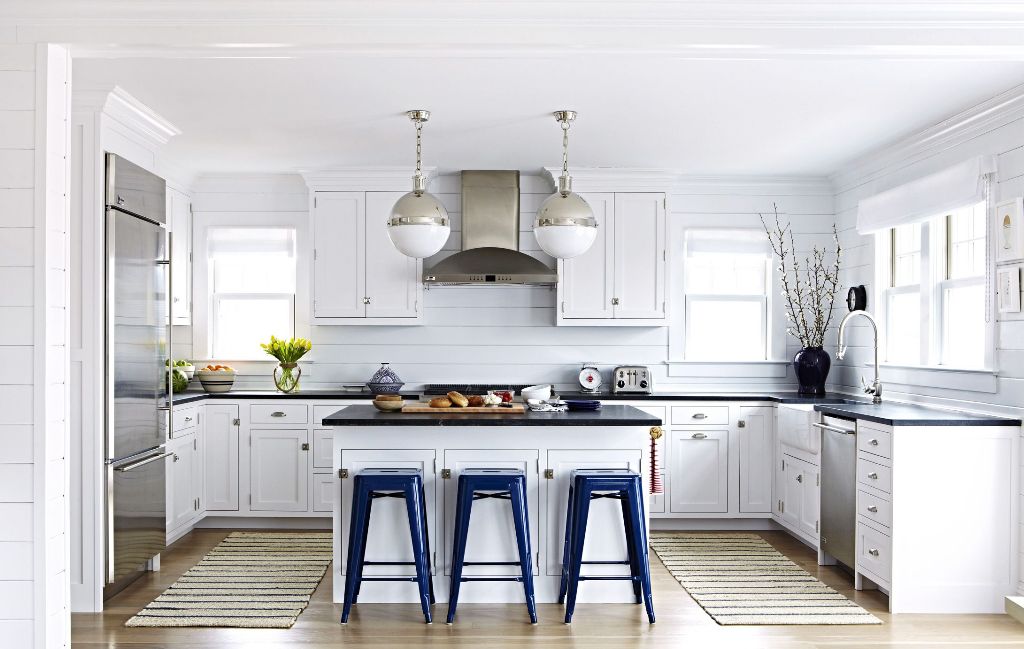
A kitchen is more than just a place to cook. It is where daily routines unfold, conversations happen naturally, and creativity comes alive through food. Whether compact or spacious, a well-designed kitchen balances functionality, comfort, and style, making it one of the most important spaces in any home.
The Role of a Kitchen in Modern Living
In contemporary homes, the kitchen has evolved into a multi-purpose environment. It often serves as:
-
A cooking and meal-prep zone
-
A casual dining and gathering space
-
A hub for family interaction
-
An extension of personal lifestyle and taste
This evolution has influenced how kitchens are planned, furnished, and maintained.
Key Elements of a Well-Designed Kitchen
Layout and Workflow
A functional kitchen layout ensures smooth movement and efficiency. The arrangement of essential areas—cooking, cleaning, and storage—should feel intuitive and uncluttered.
Common layout considerations include:
-
Easy access between stove, sink, and refrigerator
-
Adequate counter space for preparation
-
Clear walking paths for safety and comfort
Storage Solutions
Smart storage keeps the kitchen organized and stress-free. Modern kitchens rely on thoughtful solutions to maximize space without sacrificing aesthetics.
Popular storage ideas:
-
Deep drawers for cookware
-
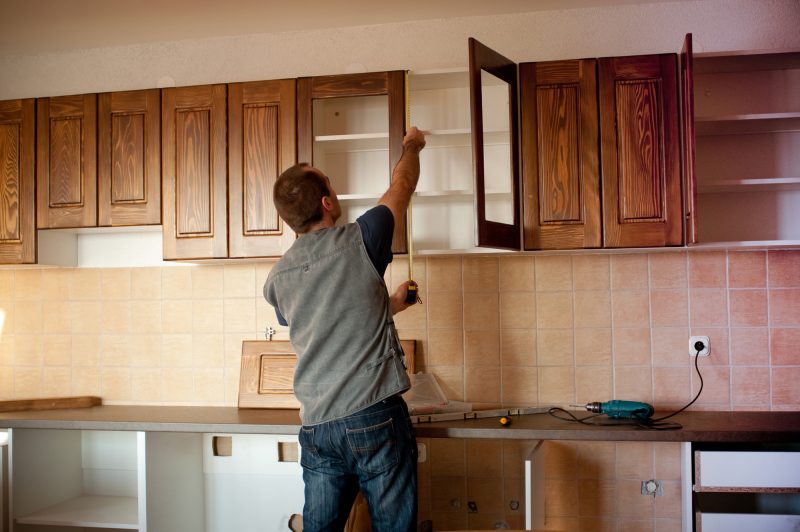
Overhead cabinets for dry goods
-
Pull-out shelves for easy access
-
Vertical storage for trays and cutting boards
Materials and Finishes
Durability matters in a kitchen. Surfaces should withstand heat, moisture, and daily wear while remaining visually appealing.
Frequently used materials include:
-
Stone or composite countertops for strength
-
Wood or laminate cabinetry for warmth
-
Tile or engineered flooring for easy cleaning
Choosing the right finishes helps maintain a balance between beauty and practicality.
Kitchen Lighting and Ventilation
Good lighting transforms how a kitchen looks and functions. A mix of task lighting and ambient lighting ensures visibility and creates a welcoming atmosphere.
Ventilation is equally important to:
-
Remove cooking odors
-
Control humidity
-
Maintain indoor air quality
Proper airflow contributes to a healthier and more comfortable kitchen environment.
Organization and Daily Efficiency
An organized kitchen saves time and reduces effort. Simple habits and smart placement of items can make a noticeable difference.
Helpful organization tips:
-
Keep frequently used tools within reach
-
Group similar items together
-
Label containers for clarity
-
Declutter unused appliances regularly
Consistency in organization keeps the kitchen efficient and enjoyable.
Maintaining a Clean and Inviting Kitchen
Regular maintenance extends the life of kitchen surfaces and appliances. A clean kitchen not only looks better but also promotes hygiene and peace of mind.
Basic upkeep practices include:
-
Wiping counters after use
-
Cleaning spills immediately
-
Deep-cleaning cabinets periodically
-
Checking appliances for proper function
Small routines prevent long-term damage and keep the space fresh.
The Kitchen as a Reflection of Lifestyle
Every kitchen tells a story. Some reflect a love for cooking, others emphasize convenience and simplicity. Personal touches—such as color choices, accessories, or layout preferences—turn a kitchen into a true reflection of the people who use it daily.
Frequently Asked Questions (FAQs)
1. What is the most important feature of a kitchen?
Functionality is the most important feature, as it determines how efficiently the space supports daily tasks.
2. How can a small kitchen feel more spacious?
Using light colors, smart storage, and minimal clutter can make a small kitchen feel open and airy.
3. What materials are best for kitchen countertops?
Durable and low-maintenance materials like stone composites and treated surfaces are commonly preferred.
4. How often should a kitchen be deep cleaned?
A deep clean every few months helps maintain hygiene and extends the life of kitchen fixtures.
5. Why is ventilation important in a kitchen?
Ventilation removes heat, smoke, and odors, improving air quality and overall comfort.
6. Can a kitchen be both stylish and practical?
Yes, thoughtful design choices allow a kitchen to combine visual appeal with everyday usability.
7. What is the best way to organize kitchen storage?
Organizing by frequency of use and grouping similar items together creates an efficient system.