Appliance: A Complete Guide to Modern Household Essentials
Appliances have become an integral part of everyday life, shaping how households cook, clean, store food, and maintain comfort. From simple mechanical tools to intelligent, connected systems, appliances continue to evolve with technology and changing lifestyles.
This guide explores what appliances are, their types, benefits, buying considerations, and how modern innovations are redefining home efficiency.
What Is an Appliance?
An appliance is a machine or device designed to perform a specific domestic function. These functions often include cooking, cleaning, cooling, heating, or food preservation. Most appliances rely on electricity, gas, or batteries to operate efficiently and consistently.
Appliances are generally built for repeated use, durability, and safety, making them essential fixtures in homes and workplaces.
Types of Home Appliances
Household appliances are typically categorized based on size, function, and usage.
Major Appliances
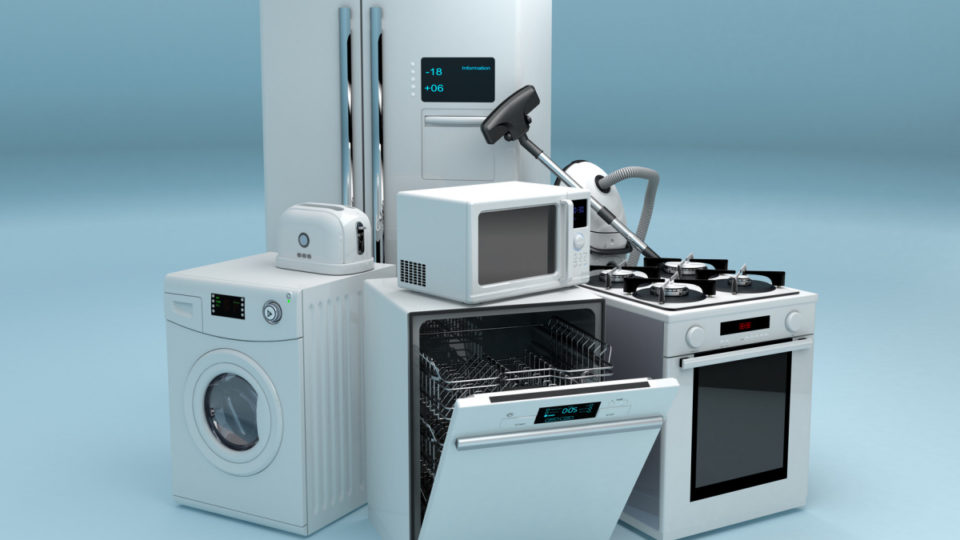
Also known as white goods, these are large, often stationary machines used daily.
Common examples include:
-
Refrigerators and freezers
-
Washing machines and dryers
-
Dishwashers
-
Ovens, stoves, and cooktops
-
Air conditioners
These appliances consume more energy and usually require professional installation.
Small Appliances
Small appliances are portable, affordable, and focused on specific tasks.
Popular small appliances include:
-
Microwave ovens
-
Blenders and food processors
-
Coffee makers
-
Toasters and kettles
-
Vacuum cleaners
Despite their size, they significantly improve convenience and efficiency in daily routines.
Benefits of Using Appliances at Home
Modern appliances offer far more than basic functionality. Their benefits extend into comfort, productivity, and sustainability.
Key advantages include:
-
Time efficiency by automating repetitive tasks
-
Energy savings with advanced, eco-friendly designs
-
Improved hygiene through high-temperature cleaning and sealed storage
-
Consistency and precision in cooking and cleaning
-
Enhanced comfort through climate control and smart features
Well-chosen appliances can transform a home into a more organized and enjoyable living space.
Smart Appliances and Modern Innovation
Technology has introduced a new generation of smart appliances that connect to mobile apps and home networks. These appliances offer monitoring, automation, and remote control features.
Notable smart appliance capabilities include:
-
Remote operation via smartphone
-
Energy usage tracking
-
Maintenance alerts and diagnostics
-
Voice assistant compatibility
-
Adaptive performance based on user habits
Smart appliances help homeowners reduce waste, lower energy bills, and maintain appliances more effectively.
Energy Efficiency and Sustainability
Energy efficiency has become a critical factor in appliance design. Many modern appliances are built to minimize power and water consumption without compromising performance.
Why energy-efficient appliances matter:
-
Lower monthly utility bills
-
Reduced environmental impact
-
Longer operational lifespan
-
Compliance with modern efficiency standards
Choosing energy-efficient models supports both long-term savings and responsible energy use.
How to Choose the Right Appliance
Selecting the right appliance involves balancing needs, budget, and performance.
Important factors to consider:
-
Available space and dimensions
-
Energy efficiency rating
-
Usage frequency and capacity
-
Build quality and warranty
-
Ease of maintenance and repairs
Careful planning ensures that the appliance delivers value and reliability for years.
Maintenance Tips for Longer Appliance Life
Proper care extends appliance lifespan and keeps performance consistent.
Basic maintenance practices include:
-
Regular cleaning and filter replacement
-
Avoiding overloading or misuse
-
Scheduling periodic inspections
-
Following manufacturer guidelines
-
Addressing minor issues promptly
Routine maintenance reduces breakdowns and costly repairs.
Future of Appliances
The future of appliances focuses on automation, sustainability, and personalization. Advancements in artificial intelligence, sensors, and energy storage will continue to reshape how appliances interact with users and the environment.
Homes are gradually becoming smarter, quieter, and more energy-aware, driven by continuous appliance innovation.
Frequently Asked Questions (FAQs)
What is the difference between major and small appliances?
Major appliances are large, stationary machines used for essential household functions, while small appliances are portable devices designed for specific tasks.
How long do home appliances typically last?
Most appliances last between 8 to 15 years, depending on usage, build quality, and maintenance.
Are smart appliances worth the investment?
Smart appliances offer convenience, energy monitoring, and remote control features, making them valuable for tech-savvy and energy-conscious users.
How can I reduce appliance energy consumption?
Using energy-efficient models, avoiding overuse, and performing regular maintenance can significantly reduce energy usage.
What should I check before buying a new appliance?
Consider size, energy rating, warranty, usage needs, and long-term operating costs before purchasing.
Do energy-efficient appliances cost more?
They may have a higher upfront cost, but they typically save money over time through lower utility bills.
How often should appliances be serviced?
Basic cleaning should be done regularly, while professional servicing is recommended annually or as advised by the manufacturer.